Bonjour tout le monde !
Bienvenue sur WordPress. Ceci est votre premier article. Modifiez-le ou supprimez-le, puis commencez à écrire !
Mobilier de bureau, Electroménager, Electronique, Electrique, Informatique
Bienvenue sur WordPress. Ceci est votre premier article. Modifiez-le ou supprimez-le, puis commencez à écrire !
Determining the most overrated players is subjective and can vary based on individual opinions. However, during the 2019-20 Premier League season, some players received mixed reviews or were considered by some as overrated. Keep in mind that opinions may have changed since then, and these assessments were made at that specific time. Here are a few players who faced varying opinions during the 2019-20 season:
Pogba has been a polarizing figure with some questioning if his performances justified the hype and price tag.
Özil has been a talented player, but there were debates about his consistency and work rate during the 2019-20 season.
Alli’s performances were inconsistent during the 2019-20 season, leading to discussions about his form and impact on the pitch.
Lingard faced criticism for his lack of goals and assists during the 2019-20 season, which led to discussions about his role in the team.
Pépé, despite being a big-money signing, had moments of inconsistency during his debut season in the Premier League, leading to questions about his overall impact.
It’s important to note that opinions on players can change rapidly based on their performances, and these assessments may not reflect the current sentiments towards these players.
Artificial Intelligence (AI) is revolutionizing various industries, and cybersecurity is no exception. In 2025, we can expect AI to play an even larger role in safeguarding our digital lives. Here’s how:
AI can analyze vast amounts of data in real-time, identifying potential threats faster and more accurately than traditional methods. By learning from previous attacks, AI can predict and neutralize new, unknown threats before they even occur.
Instead of waiting for a human to step in, AI can autonomously take action during a security breach, isolating affected systems, blocking malicious traffic, and minimizing damage. This reduces response times and improves overall security efficiency.
AI can analyze patterns in data to predict potential vulnerabilities or security breaches before they happen. By using historical data and machine learning algorithms, AI can provide proactive recommendations to organizations on how to bolster their security infrastructure.
AI is advancing biometric authentication methods, such as facial recognition, fingerprint scanning, and voice identification. In the future, expect highly secure, multi-factor authentication systems powered by AI to become standard practice.
AI-powered systems are becoming better at identifying phishing emails and fake websites, helping users avoid scams. AI can examine the structure, content, and sender details to detect malicious intent that would be difficult for humans to catch.
As AI continues to evolve, its role in cybersecurity will only become more crucial. Stay safe and stay informed about the latest tech advancements!
« Mega city » generally refers to a large metropolitan area characterized by significant population density, economic activity, and urbanization. Here’s a comprehensive overview covering various aspects of mega cities:
Lire le blogDesigning and constructing roads with safety and protection in mind is a crucial aspect of urban planning. Roads are essential elements of any metropolitan area, and incorporating safety features can significantly enhance the well-being of both pedestrians and motorists. Here are several considerations for building roads with protection in mind:
Ensure well-maintained and spacious sidewalks separated from the road to provide a safe walking environment.
Implement marked crosswalks at intersections to guide pedestrians safely across the road.
Pedestrian Overpasses/Underpasses: Consider constructing overpasses or underpasses in areas with high pedestrian traffic to minimize the risk of accidents.
Bike Lanes: Incorporate dedicated bike lanes separated from vehicular traffic to promote cycling safety.
Bike Racks: Install bike racks at strategic locations to encourage cycling and provide secure places for parking.
Speed Bumps: Use speed bumps in residential areas and near schools to reduce vehicle speeds.
Roundabouts: Implement roundabouts instead of traditional intersections to slow down traffic and improve safety.
Ensure that road infrastructure is compliant with the Americans with Disabilities Act (ADA) to accommodate individuals with disabilities.
Accessible Crossings: Install ramps and accessible crossings to facilitate the movement of people with mobility challenges.
Adequate street lighting enhances visibility, reducing the risk of accidents and improving overall safety.
Pedestrian Crosswalk Lighting: Install additional lighting at crosswalks to increase visibility for both pedestrians and drivers.
Green Spaces and Landscaping:
Incorporate green spaces and landscaping along roads, providing aesthetic value while also promoting a sense of safety.
Plant trees strategically to provide shade and improve air quality.
Advanced Traffic Management Systems:
Implement modern traffic signal systems to optimize traffic flow and enhance safety.
Use technologies such as smart crosswalks that provide signals or warnings to both pedestrians and drivers.
Designate lanes or routes for emergency vehicles to ensure quick and unobstructed access during emergencies.
Install clear and visible signage to communicate speed limits, pedestrian crossings, and other important information.
Conduct public awareness campaigns to educate residents about road safety and proper usage of infrastructure.
By incorporating these elements into road design, metropolitan areas can create safer and more sustainable environments for their residents. Collaborative efforts between urban planners, engineers, and the community are essential to ensuring that road infrastructure prioritizes protection and safety.
It seems like your request is a bit unclear. If you are interested in ideas or strategies to contribute to the development of a Western economy, here are some pioneering approaches that could be considered:
Invest in research and development to foster innovation in technology.
Establish tech hubs or innovation centers to attract startups and entrepreneurs.
Develop policies that encourage the growth of emerging technologies like artificial intelligence, blockchain, and green tech.
Focus on sustainable development and green technologies to address environmental concerns.
Invest in renewable energy sources and promote energy efficiency.
Implement policies that support sustainable practices in industries.
Prioritize education and skill development programs to create a highly skilled workforce.
Collaborate with industries to tailor educational programs to meet the demands of the job market.
Embrace lifelong learning initiatives to adapt to a rapidly changing economic landscape.
Foster a culture of entrepreneurship by providing support for small businesses and startups.
Create incubators and accelerators to nurture new businesses.
Streamline regulations to make it easier for small businesses to thrive.
Invest in modern and efficient infrastructure to support economic growth.
Focus on transportation, digital connectivity, and sustainable urban planning.
Implement smart city initiatives to enhance overall quality of life.
Encourage diversification of industries to reduce dependency on specific sectors.
Attract a range of businesses, from tech companies to manufacturing, to create a resilient economy.
Support the growth of service-oriented industries such as healthcare, finance, and tourism.
Foster international trade partnerships to expand market access.
Negotiate and strengthen trade agreements to benefit the local economy.
Encourage foreign direct investment (FDI) while protecting national interests.
Develop policies that address income inequality and promote social inclusivity.
Implement fair labor practices and regulations to ensure worker rights.
Provide social safety nets to support vulnerable populations.
Prioritize public health to create a healthy and productive workforce.
Invest in healthcare infrastructure and preventive measures.
Promote mental health and well-being in the workplace.
Embrace digital transformation across industries.
Develop a digital infrastructure to support e-commerce, online services, and remote work.
Invest in cybersecurity measures to protect digital assets.
These approaches aim to create a dynamic and resilient Western economy by leveraging technology, sustainability, education, and a diverse economic base. Implementing a combination of these strategies with careful planning and collaboration can contribute to long-term economic success.
If you’re looking for a travel destination in Asia with a kind and mid-spirit vibe, there are many places that could offer a welcoming and positive experience. Here are a few suggestions:
Known for its Gross National Happiness Index, Bhutan is a country that values well-being over material wealth.
The people are friendly, and the stunning landscapes, including the Himalayan mountains, make it a serene destination.
Ubud is known for its spiritual and artistic community.
The lush landscapes, rice terraces, and a variety of temples create a peaceful atmosphere.
Engage in yoga and meditation practices or explore the vibrant arts scene.
Chiang Mai offers a blend of cultural richness and a laid-back atmosphere.
Explore historic temples, visit the local markets, and enjoy the beautiful surrounding nature.
This ancient town is known for its well-preserved architecture and lantern-lit streets.
The locals are friendly, and the town has a calm and charming atmosphere.
Nestled in the Himalayas, Pokhara is surrounded by stunning lakes and mountains.
It’s a great place for trekking, relaxation, and connecting with the local culture.
This UNESCO World Heritage city is known for its well-preserved architecture and Buddhist temples.
The slow pace of life and the welcoming locals make it a peaceful destination.
Sapporo, located in Hokkaido, offers a mix of modernity and natural beauty.
Enjoy the local cuisine, visit parks, and experience the unique cultural aspects of Japan.
Galle’s historic fort area and charming streets create a relaxed atmosphere.
Explore the local markets, enjoy the coastline, and experience the warmth of the people.
Malacca’s historic city center is a UNESCO World Heritage site with a mix of cultures.
The city is known for its friendly locals and delicious food.
Sihanoukville offers beautiful beaches and a laid-back atmosphere.
Explore nearby islands, enjoy fresh seafood, and experience the local hospitality.
Before planning your trip, it’s always a good idea to check for any travel advisories or entry requirements, especially considering any potential changes in the global travel landscape. Additionally, respecting local customs and being open to new experiences will enhance your journey and contribute to a positive travel experience.
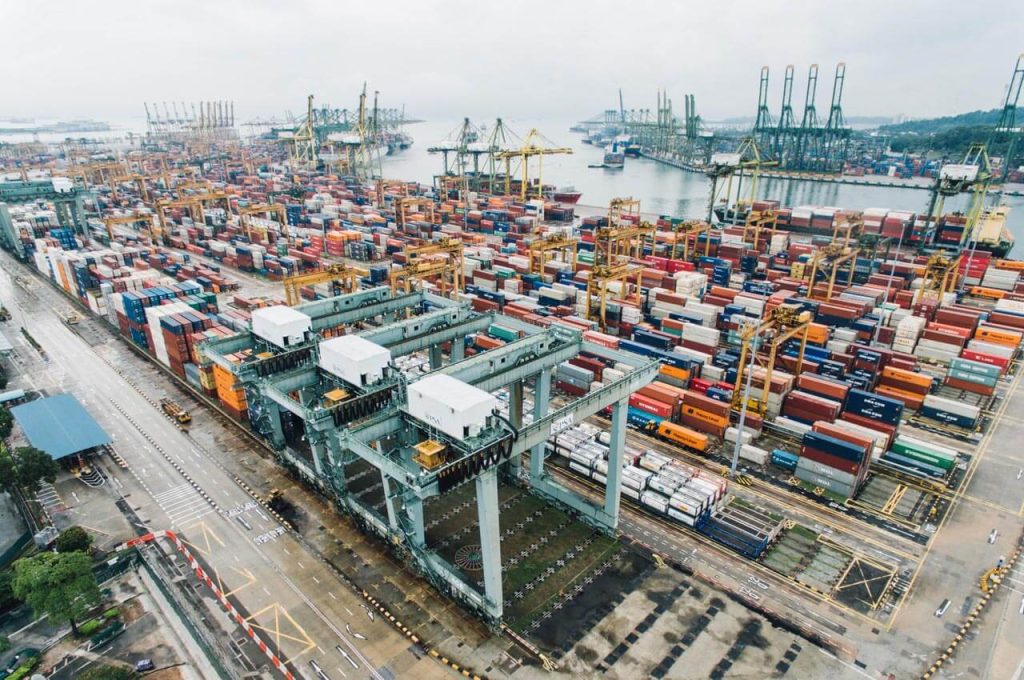
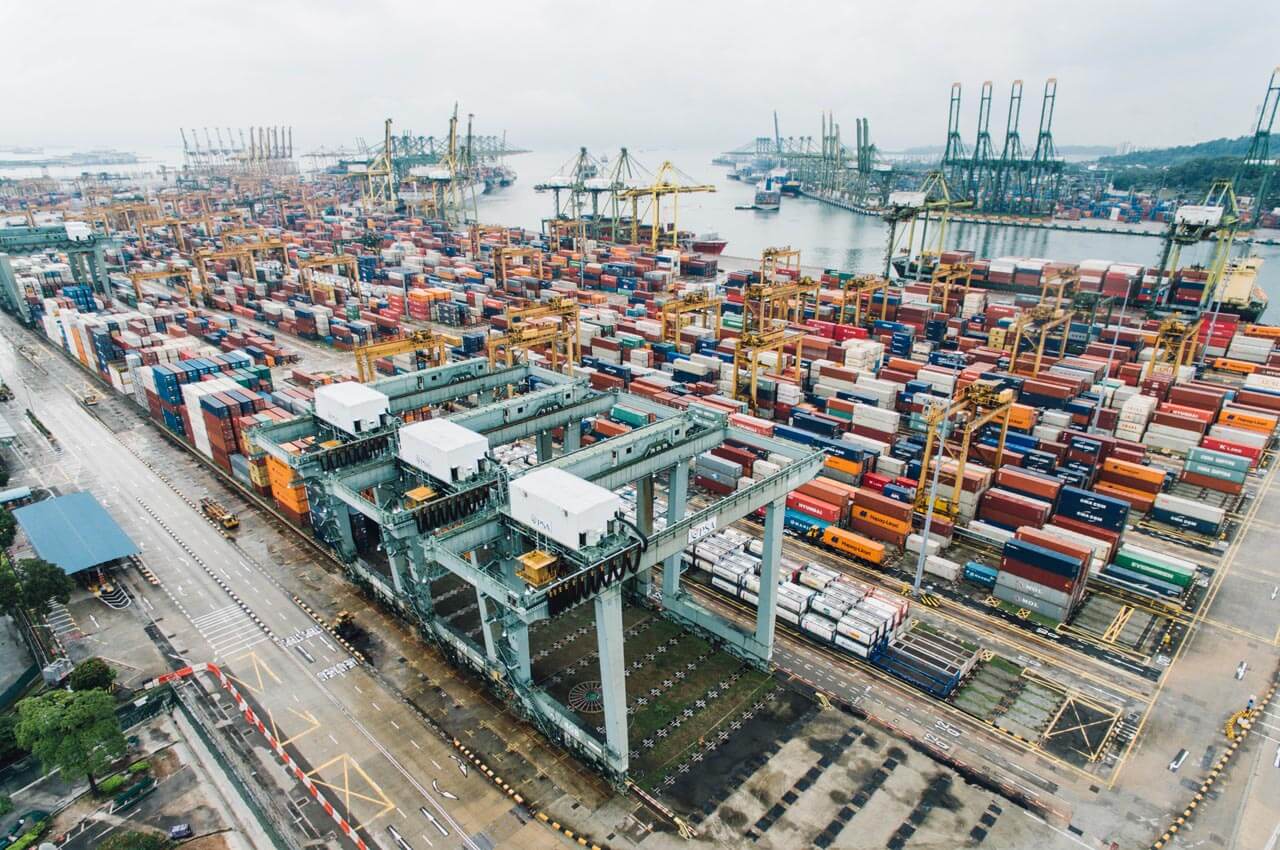
The cargo industry often welcomes foreign investment for several reasons. Here are some factors that make the cargo industry attractive to foreign investors:
Cargo and logistics are integral to global trade. Foreign investment in the cargo industry allows investors to tap into the interconnected nature of international commerce.
Many countries may lack the necessary infrastructure for efficient cargo handling and transportation. Foreign investment can contribute to the development of modern ports, airports, and transportation networks.
Investment from technologically advanced countries can bring in cutting-edge solutions and innovations to enhance efficiency, tracking, and security in cargo operations.
Economic Growth:
The cargo industry is a key driver of economic growth. Foreign investment can stimulate economic activity, create jobs, and contribute to the overall development of the host country.
Foreign investors may bring expertise and experience in diversifying cargo services, such as implementing advanced supply chain management systems, cold chain logistics, or specialized handling of certain types of cargo.
Foreign investment provides an avenue for companies to gain access to new markets. Investors can leverage local partnerships and networks for more efficient distribution and market penetration.
Investments in the cargo industry can lead to streamlined customs processes, reducing delays and bottlenecks at borders. This facilitates smoother and faster movement of goods, benefiting both domestic and international trade.
Foreign investors may introduce eco-friendly technologies and practices, contributing to sustainable and environmentally responsible cargo operations.
The cargo industry often requires significant capital for capacity expansion. Foreign investment can provide the necessary funding for expanding storage facilities, upgrading transport fleets, and handling larger volumes of cargo.
Foreign investment allows local cargo companies to adopt international best practices and standards, enhancing their competitiveness on the global stage.
However, it’s essential to note that the impact of foreign investment can vary depending on the regulatory environment, political stability, and the specific needs of the host country. Governments and industry stakeholders should work together to create a conducive environment for foreign investors, ensuring that investments align with the country’s economic development goals and benefit both the industry and the local community.
Collaborative business investments, where multiple entities come together to invest in a common venture, can offer various benefits. Here’s a guide on how businesses can collaborate to make investments
Lire le blogWorking together to make investments often involves collaboration between multiple entities, such as businesses, partners, or investors. Here’s a step-by-step guide on how entities can work together to make investments:
Clearly define the common objectives or goals that all parties aim to achieve through the investment. This could include financial returns, market expansion, technological advancements, or strategic benefits.
Develop a shared vision for the investment, outlining the collective aspirations and long-term goals. Alignment on the purpose and vision is crucial for a successful collaboration.
Decide on the structure of collaboration. This could involve forming a consortium, partnership, joint venture, or other collaborative models. Clearly define the roles, responsibilities, and contributions of each party.
Perform comprehensive due diligence on the investment opportunity. Evaluate market conditions, potential risks, financial viability, and other relevant factors. Share information transparently among the collaborating entities.
Negotiate and agree upon the investment terms, including the amount of capital each party will contribute, the expected returns, and the timeline for the investment. Develop a clear understanding of the financial aspects of the collaboration.
Draft legally binding agreements that outline the terms and conditions of the collaboration. This may include partnership agreements, joint venture contracts, or other legal documents specifying governance, profit-sharing, and decision-making mechanisms.
Establish transparent decision-making processes to avoid conflicts. Clearly define how major decisions will be made, who has authority, and how conflicts will be resolved. This ensures a smooth operational framework.
Develop risk management strategies collectively. Discuss potential risks associated with the investment and agree on risk-sharing mechanisms. Clearly outline responsibilities in case of unforeseen challenges.
Establish effective communication channels. Regularly update all collaborating entities on the progress of the investment. Implement reporting mechanisms that ensure transparency and accountability.
If applicable, agree on the use and sharing of technologies, resources, or intellectual property. Ensure that there is a clear understanding of how these assets will be utilized within the collaboration.
Assess and ensure cultural alignment between the collaborating entities. Shared values and a compatible corporate culture contribute to a more cohesive and successful collaboration.
Discuss and agree on exit strategies upfront. Clarify the circumstances under which entities may exit the collaboration and how assets or investments will be handled in such situations.
Regularly evaluate the performance of the collaboration and be open to adaptation. Address any issues promptly and make adjustments as needed to ensure the ongoing success of the investment.
Collaborative investments can leverage the strengths of multiple entities, providing opportunities for innovation, shared resources, and risk mitigation. Effective communication, trust-building, and a shared commitment to the investment goals are crucial for a successful collaborative venture.